
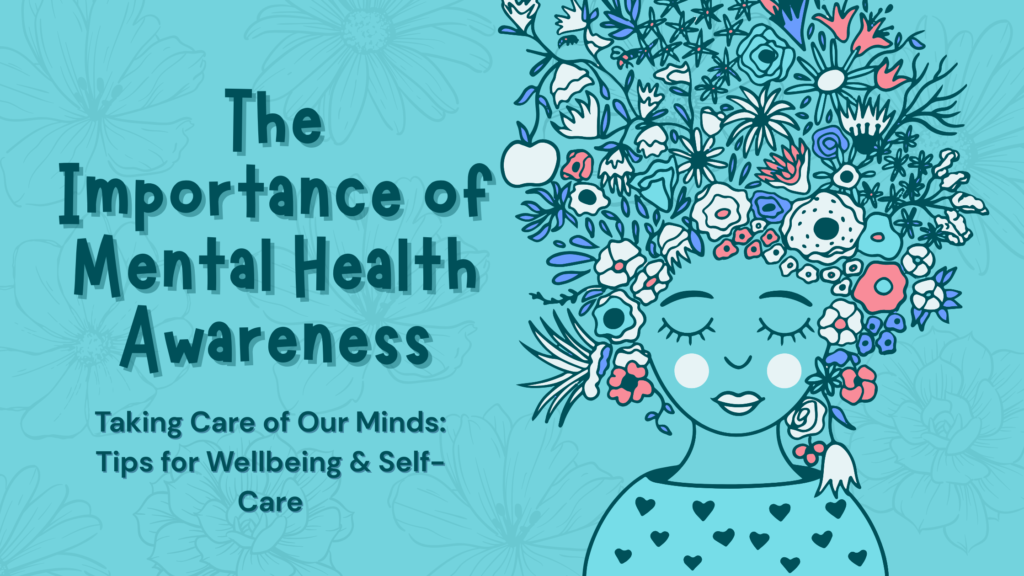
In today’s dynamic world, mental health is no longer a footnote in wellbeing — it is central to how we function, relate, work, and thrive.
Yet many societies still treat mental health as a whispered conversation, shrouded in stigma and misunderstanding.
Mental health awareness is not just a psychological term.
It is a practical commitment to understanding our inner world — thoughts, emotions, reactions, and patterns — and how they impact daily life.
Becoming aware is the first step toward empowered self-care.
What Mental Health Awareness Truly Means
Mental health awareness isn’t just knowing that anxiety or depression exists.
It includes:
- Recognizing emotional patterns
- Identifying stress triggers
- Understanding coping responses
- Observing behavioral cycles
- Responding with mindfulness
Awareness creates clarity.
When we see what is happening, we can respond rather than react.
The Cost of Ignoring Mental Wellbeing
Ignoring mental health comes with subtle but significant consequences:
- Reduced emotional regulation
- Increased interpersonal friction
- Lower problem-solving capacity
- Heightened stress response
- Amplified fatigue and overwhelm
When mental health remains unexamined, life feels heavier — not because the challenges are bigger, but because resilience and support are limited.
Why Awareness Matters More Than Labels
Labels like “stress,” “anxiety” or “depression” are words — not destinations.
Becoming mentally healthy is not about erasing these experiences.
It is about:
- Naming them
- Understanding them
- Responding intentionally
When awareness replaces confusion, the human nervous system calms naturally.
Mental health awareness reduces stigma when people can describe:
- What they feel
- Why they feel it
- How they can support themselves
Understanding vocabulary gives agency.
Practical Ways to Promote Mental Health Awareness
Here are realistic ways to nurture your inner world:
🧠 Reflective Journaling
Write daily:
“What did I feel today?”
“What triggered it?”
“How did I respond?”
Reflection builds emotional literacy.
🧘♀️ Mindful Breath and Body Scan
Notice your body first.
Then your breath.
Then your thoughts.
This anchors awareness before emotional reaction.
🗣 Safe Conversations
Talk about how you feel with someone who listens without judgment.
Sharing reduces isolation.
📚 Educate Yourself
Reading reliable mental health resources expands clarity and reduces fear.
Awareness is both internal and educational.
How Awareness Helps Others
Mental health awareness doesn’t just help the individual.
It enhances:
- Parenting sensitivity
- Family communication
- Workplace wellbeing
- Peer support
- Educational engagement
When we understand ourselves, we understand each other.
Communities become emotionally intelligent.
Closing Reflection
Mental health is not “optional.”
It is a continuous process of noticing, understanding, and adapting.
Take time to observe your inner world — not to judge it — but to appreciate it.
When we take care of our minds, we build a foundation for meaningful, resilient, and adaptive living.
🌿 Support for Mental Wellbeing with BloomByond
At BloomByond, we help individuals and families cultivate mental health awareness, emotional regulation, and mindful resilience through structured support and coaching programs.
If you’re seeking deeper clarity and practical wellbeing strategies, explore our holistic wellness offerings.